Explore
Papua New Guinea
Your Dream Destination
Papua New Guinea
Papua New Guinea is a highly diverse country, with more than 850 indigenous local languages and at least as many small communities, with a population of no more than 9 million people.
The country is one of the least explored countries, culturally and geographically, and many types of undiscovered plants and animals are thought to exist in Papua New Guinea’s interior.
Best Time to Visit
January
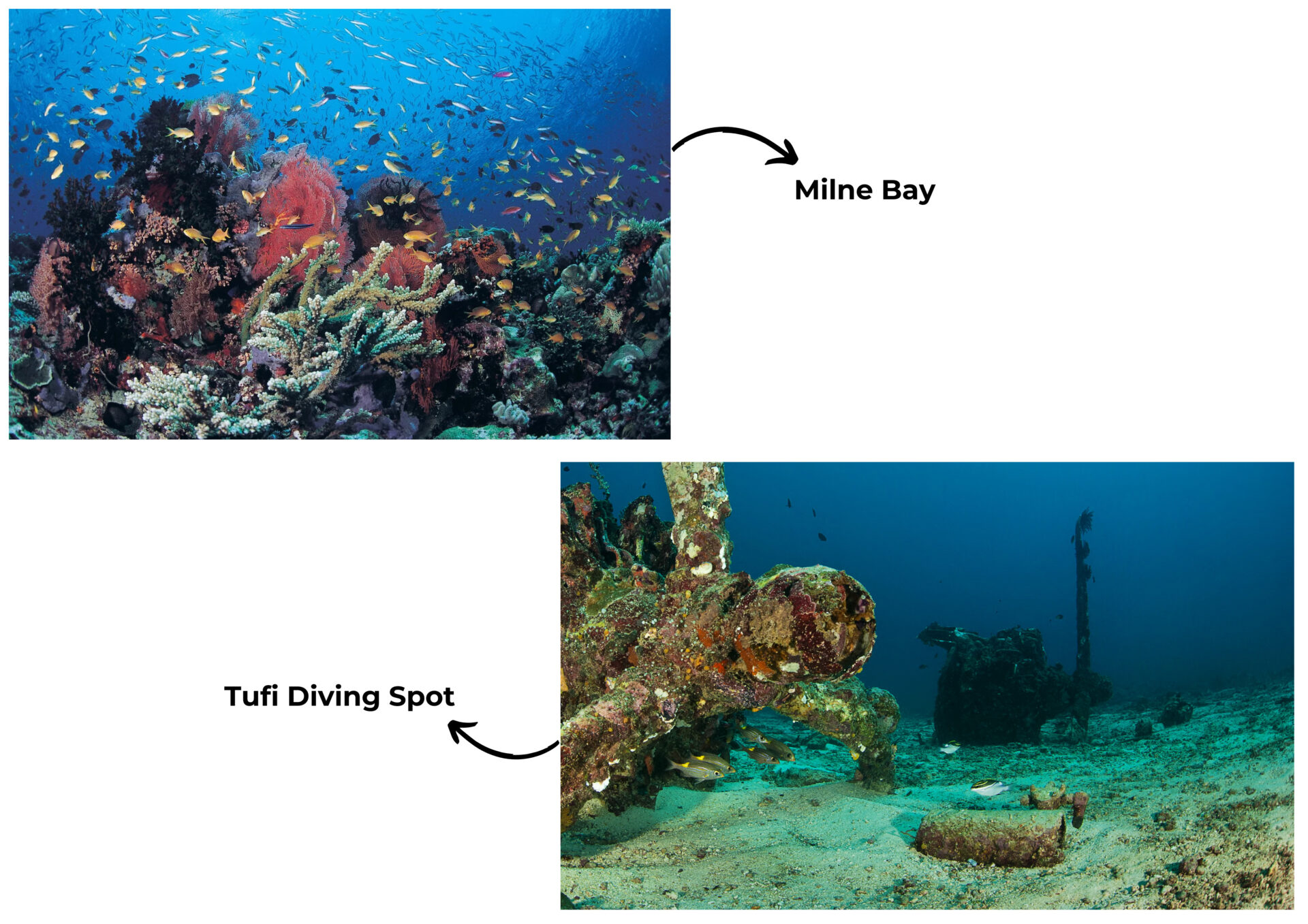
Best Time to Diving in Tufi & Milne Bay
In January, Papua New Guinea starts getting lots of rain, but it’s also pretty warm, which makes it a great time for diving in places like Tufi and Milne Bay. Tufi has cool underwater caves and colorful coral gardens, while Milne Bay is famous for its reefs and old shipwrecks. You can see all sorts of colorful fish and other sea creatures there. Plus, you get to meet friendly locals and learn about their way of life, which adds to the fun of exploring these amazing underwater spots during January.
July
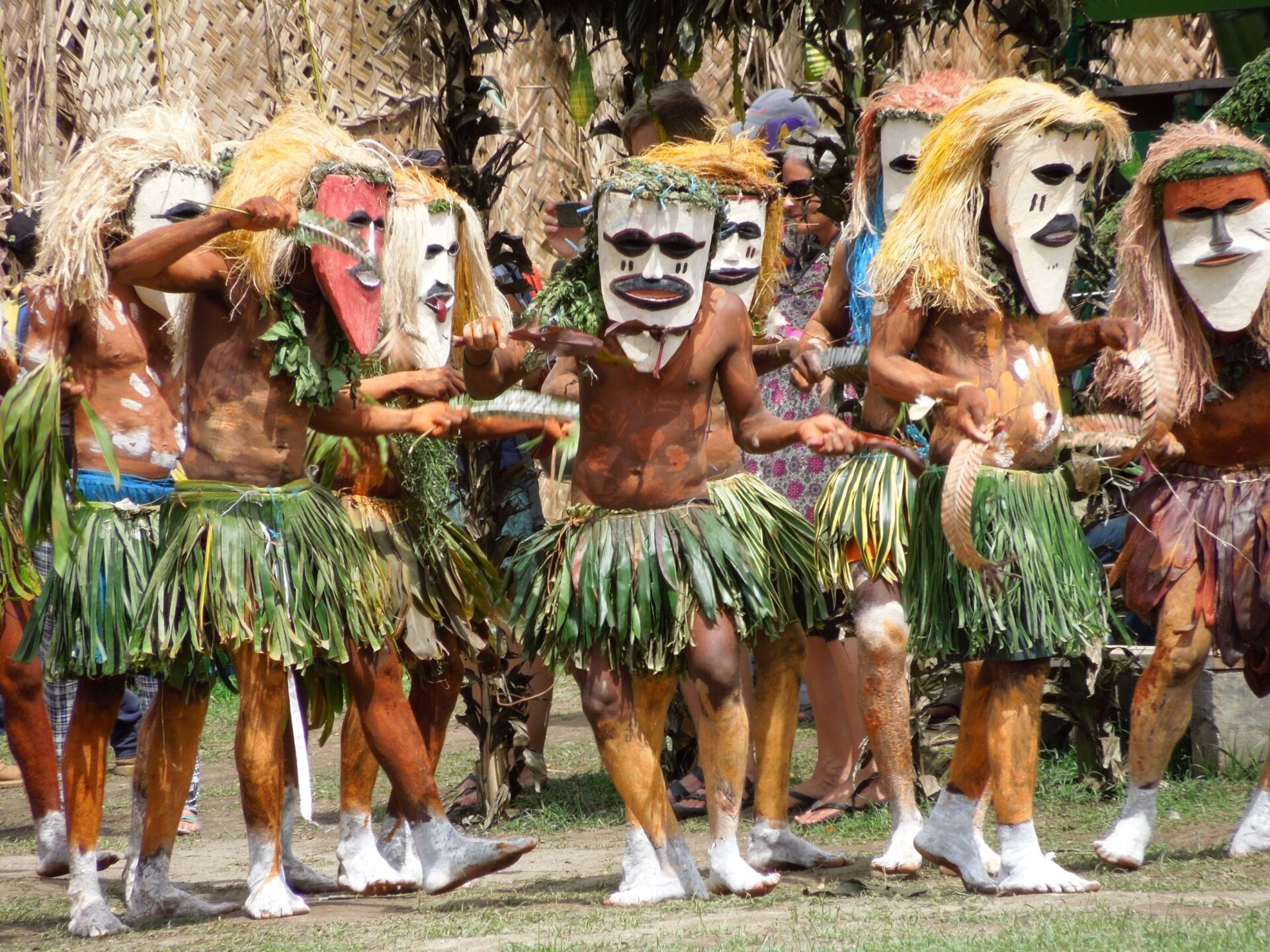
Best Time to Watch Warwagira Festivals
Explore this cultural tribute to the people of East New Britain – the Tolai, Baining and Pomio. Experience four days of dancing cultural rituals, stories, art, crafts and of course plenty of masks. The dramatic costumes, colours and rhythm of Rabaul’s annual Mask Festival are not to be missed.
October
Best TIme to Snorkeling
Towards the end of the dry season, temperatures begin to rise and rainfall begins to gradually increase across the country, providing excellent scenery for snorkeling. Whether you’re exploring the north coast or the southern islands, the warmer weather and clearer waters make it an ideal time to explore the diverse marine life that thrives in Papua New Guinea’s pristine oceans. From vibrant coral reefs to tranquil lagoons, snorkelers can immerse themselves in the beauty of the underwater world, encountering colorful fish and fascinating sea creatures along the way.
Explore Papua New Guinea
Let start your
Amazing Trips

Explore
Indonesia
Labuan bajo, West Manggarai Regency, East Nusa Tenggara, Indonesia
Inspiring Stories

