


IN A HURRY?
info@werkudara.com
62 274 2832999
62 274 2832555
62 811 2546001
Jl. Bhinneka No. 9, Pondok, RT 03 RW 07, Condongcatur, Depok, Sleman, D.I. Yogyakarta 55283 – Indonesia
We offer a variety of tours related to art, history and traditions based on the area you are visiting. Which will definitely make your tour different from usual. We also offer a variety of choices that you can experience when you directly interact with the culture and customs of the local people, besides that we also offer various tourist village destinations and cultural heritage sites.
When you're in Rome, do as the Romans do
If you want to feel closer to the surrounding community and get to know the various cultures or customs of the people in the destination you are visiting, you can come to some of the traditional villages that we offer in our tour packages starting from the Osing Kemiren Traditional Village in Banyuwangi, Loya Togo Traditional Village in Wakatobi, and Watumbaka Village in Sumba. If you want to visit a village and experience its pottery crafts already well-known in domestic and foreign tourists, you can visit Kasongan Village in Yogyakarta.

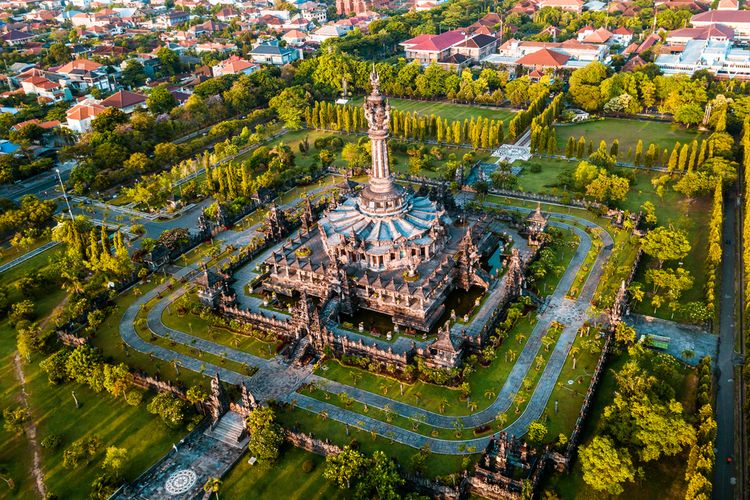
Visiting Museums is an aspiration to know history. And if you’re in Indonesia, it is always interesting to know the history background of what makes Indonesian Indonesian. We have a tour package just for that. From visiting the Benteng Heritage Museum in Banten, the Museum of the Asian-African Conference in Bandung, and the Bajra Sandhi Monument in Bali.
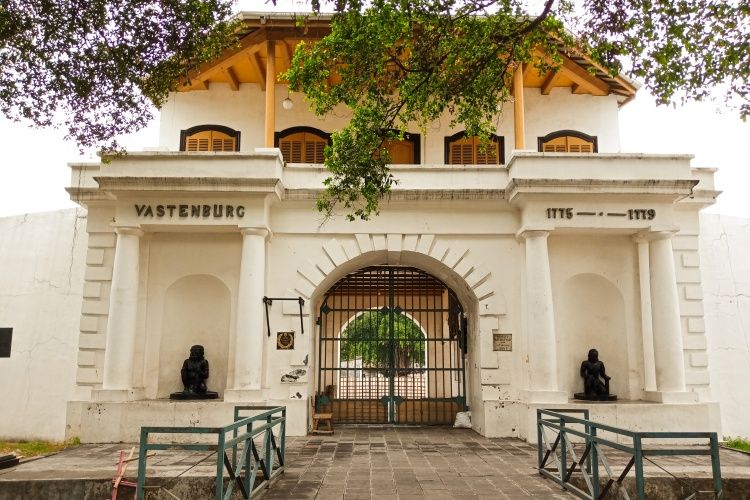
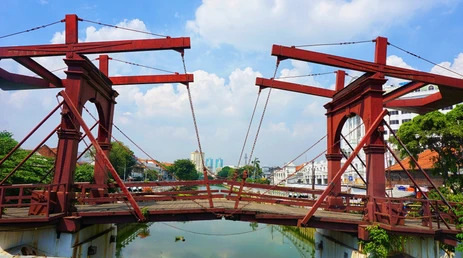
You can enjoy cultural heritages with their various histories while also having a retro photo spot by visiting the Fort Vastenburg in Solo or the Kota Intan Bridge in Jakarta. Besides that, you can also visit a very interesting cultural festival held by the community in Bangka Belitung, the Muang Jong Festival.
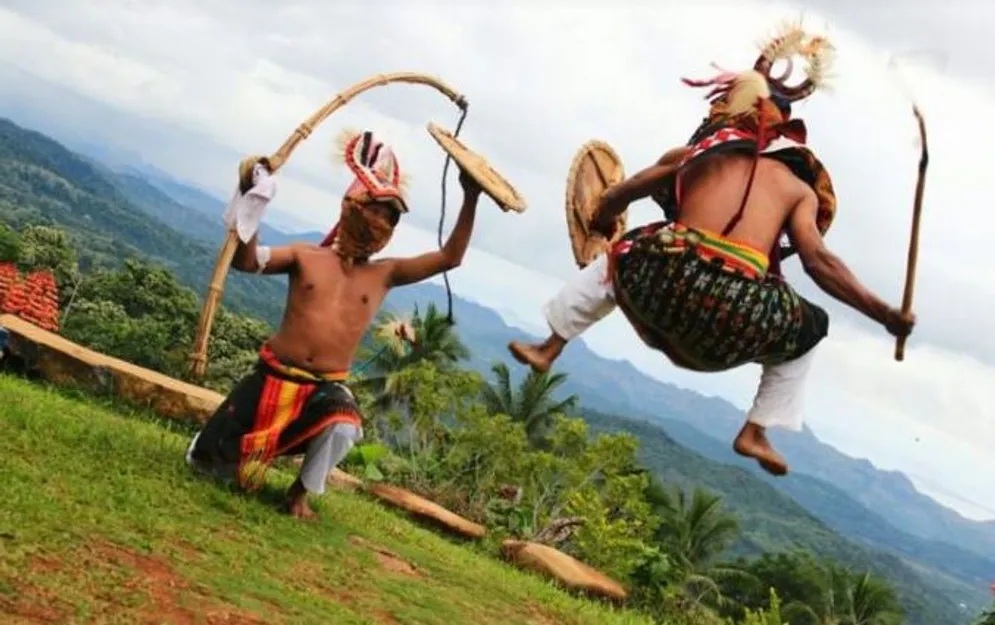




In addition to the attractive beaches in Labuan Bajo, there is one destination that you should not miss, namely Melo Traditional Village, about 40 minutes from the city center. Something very interesting about this one place is if you come to visit, you will be greeted with a typical Manggarai dance which has a philosophy of gratitude towards God as the Creator of the universe.
The friendliness of the people and the comfortable and serene atmosphere of the village are other things you can find aside from the beautiful and exotic places presented by this traditional village.
Kasongan village is a tourist attraction known as the Million Pottery Village where you can join pottery-making courses with local residents. You can also be pampered with various processed clay products made by local residents such as pitchers, pots, vases, statues, displays , plates, etc.
There is also a statue that has become the target of domestic and foreign tourists. It is the statue of a pair of lovers owned by the Palace and named Loro Blonyo and is considered by local residents to bring good luck.
The fort, which has many historical elements, has been standing firmly since the days of the Dutch government. The location of this place is very easy to be accessed by tourists because it is in the city of Solo. This fort was used by the Dutch to spy on the Surakarta Kasunanan Palace.
In 2010 this fort became a Cultural Conservation Site and restoration activities were carried out to repair the building. This fort has also been converted into the Surakarta Resident’s office and the TNI Headquarters. The fort is opened as a historical tourist attraction and is open every day and the best time to visit the fort is at 8 am and 3 pm.
The monument is a testament to the struggle of the Balinese people in reclaiming their freedom from the hands of the colonizers. Uniquely, this monument has 17 main gates, 8 pillars and an overall height of 45 meters which describes the independence of Indonesia. From a distance, the “Bajra Sandhi” monument itself looks like a bell for Hindu priests (in Balinese it is called bajra) .
Inside this monument, there are 33 dioramas depicting images from the prehistoric era to the era of independence of Indonesia. There are several important dioramas about Indonesia’s history here, starting from depicting the heroic events of the Battle of Puputan Klungkung, Puputan Badung, breaking Dutch letters by Patih I Gusti Ketut Jelantik, to the incident when the proclamation of Indonesia’s independence was announced and disseminated.
Kota Intan Bridge is the only tipping bridge left from the 17th & 18th centuries, this bridge was built by the VOC during the Dutch government and functioned as a link between the Dutch Fort and the British Fort; as a suspension bridge for boat traffic; and preventing damage from flooding.
This bridge was designated as a cultural heritage by the DKI Jakarta City Government in 2000, appointed by the then-Governor Ali Sadikin. The name of this bridge has changed a lot starting from the Pasar Ayam Bridge, Wilhelmina Bridge, or Central Bridge.
This bridge has a red appearance and is made of iron and wood. Now the bridge functions as a historical tourist attraction and is widely used as a place for activities, observation tours, pre-wedding photos spot and photographers’ images. This bridge is most beautiful to see at night, because there are spotlights that add to the beauty of this one bridge.
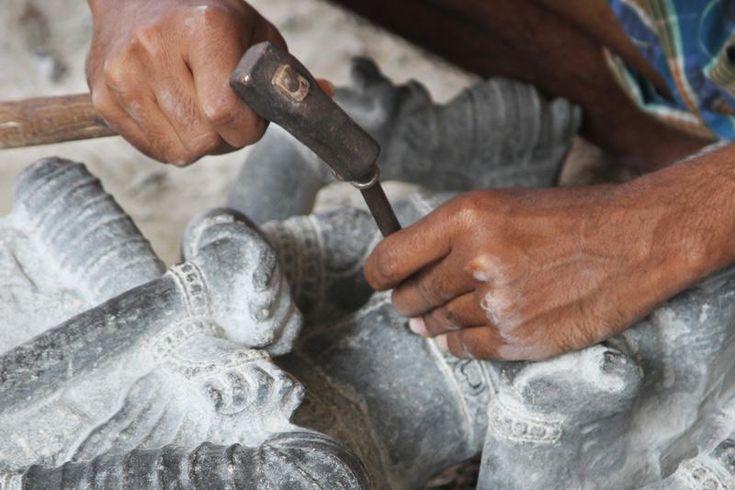
On the road of Jogja-Magelang, there are many sellers of stone crafts. The crafts or sculptures are made of andesite rock from Mount Merapi.
Not only sculpture, there are various other crafts such as mortar which is most often sought after by tourists from outside Magelang because the mortar is famous for its good and durable quality, and the price is relatively cheap. There are also miniature temples & stupas, ashtrays and various other stone crafts.
The handicrafts that are sold are of course famous for their quality and have charming sculptural details. If you are curious to see the process of making various kinds of crafts, you can visit Prumpung Hamlet, Taman Agung Village, Kec. Muntilan, Magelang.
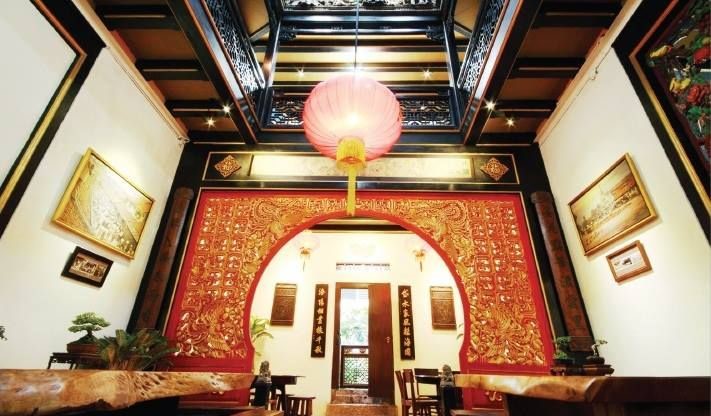
It is the first Chinese museum in Indonesia that depicts how the Chinese have lived and married a Tangerang native and then settled since 1407. The building of this museum is estimated to have been built in the mid of the 17th century.
This building has traditional Chinese architecture and is one of the oldest buildings in the city of Tangerang. This building is also located at the zero kilometer point of Tangerang, which was called the City of Benteng in the past .
This museum has a collection of Opium Scales from various countries, of soy sauce bottles & labels that are famous from the past in the city of Tangerang, of relics from the Chinese ancestors in Benteng, and of various other interesting collections that you can see and enjoy.
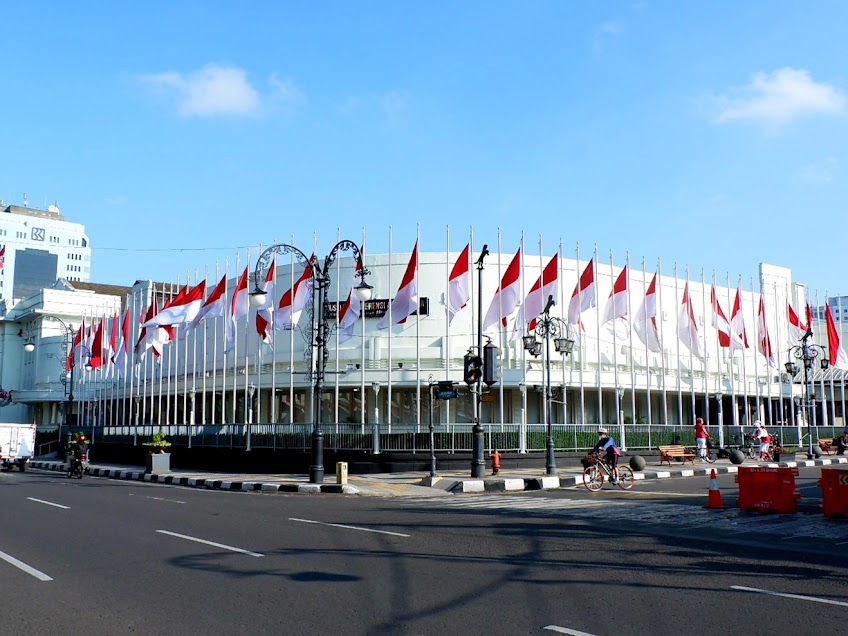
This museum was the conference building where the Asia-Africa Conference, which was Indonesia’s first international conference after 10 years of independence, was held in 1955. Representatives from 29 different countries attended this conference.
It was once a building that functioned as a dance hall, entertainment venue, a gathering place for Bandung and European socialites, art exhibitions, and dinner venues. In addition, during the Japanese occupation, this building changed its name to Dai Toa Kaman and also served as a cultural center. During the proclamation of Indonesia this building functioned and was used as the headquarters of the freedom fighters against the Japanese troops.
The Asia-Africa Museum was initiated by Prof. Mochtar Kusumaatmadja and inaugurated by President Soeharto on 24 April 1980. This museum has exhibition rooms, library, audiovisual, research & activities.
This village’s charm is that it has an atmosphere of old school. There is a 46-meter-long alley that displays various murals with wayang motifs, steam trains, Blenduk Church, Marba Building in Kota Lama and wayang stories which are one of the attractions for tourists.
Besides murals, there are various unique statues, large paintings of clowns, puppetry gazebos and various other interesting ornaments. There are also batik activities taught by local residents. You will also be served with a variety of traditional snacks, and if a tour is usually held in the morning/afternoon, this village holds them at night.
In the past, this village had a slum and dark condition and was affected by floods. Then given assistance by PT PLN, this village was then revitalized and decorated into a tourist village. Thanks to Djadhoel village, the residents are greatly helped economically, and their village is more organized and neat.
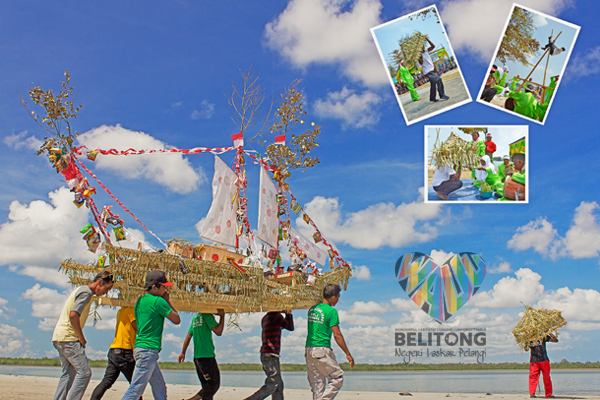
The Muang Jong tradition is a hereditary tradition carried out and held by the Sawang Tribe, Bangka Belitung, as a tradition to ask for protection to avoid the dangers of disasters that will befall while at sea. Did you know that this festival is held only once a year and is held around August or September because during that month the wind & sea waves that hit are terrible and fierce?
The word Muang Jong itself has a meaning to release a small boat into the sea. The boat itself is in the form of a skeleton and contains offerings in it. In addition to a small boat, there is also a square/house-shaped box which symbolizes a place to live. Usually the skeletons that are released are decorated lively, with flags and interesting decorations or ornaments, colorful paint, and various other interesting decorations.
Osing Kemiren Traditional Village is a traditional village that follows the technology advances (the existence of Wi-Fi in public spaces, tourist’s online visits data and promotional videos) & developments during the pandemic. The majority of this village is the Osing tribal community (original tribe of Banyuwangi Regency). Besides that, the name of this traditional village itself also comes from a similar name of many kemiri (candlenut) trees.
This village has a very diverse tourist attraction: education, culinary and culture. For education, this village teaches the tourists from processing coffee of kemiren jaran goyang (rocking horse), Banyuwangi batik cloth, traditional music, plowing the fields, traditional dancing, playing gedongan music and cooking classes.
Culinary from the village is no less interesting and can spoil tourists’ tongue because there are many interesting menus at Warung Makan Pesantogan Kemangi such as pecel pithik (chicken), salametan tumpeng serakat and kemiren jaran goyang coffee (already certified by the Indonesia National Standard). From the cultural tourism itself, there are village museums, the Osing traditional house area, the universe broom studio, the Kampoeng Osing market, the Osing cultural attraction, the Osing cultural house and the Gejah Arum studio. If you want to know more about this traditional village, there are several residents’ homestays that you can stay in.
Sumba, an area in East Nusa Tenggara, is very famous for its exotic beaches, especially Komodo island. If you visit Sumba, don’t forget to also visit Watumbaka Village which is located in Pandawa, approximately 12 kilometers from downtown Waingapu.
The name of Watumbaka means a singing stone because it is said that once there was a stone that always sang every full moon in that village. This village has a unique habit compared to other villages in Indonesia. The community places a cooking stove in the middle of their traditional house and stores food like corn/rice in the upper room in their traditional house.
The traditional house of Watumbaka Village has been built since August 15, 1945, two days before Indonesia’s independence. In addition to the traditional house, there is also a megalithic grave that is still well-maintained in this village yard. Inside the traditional house, there is a coffin stored neatly since 2015 until now. This coffin is covered with Kombu cloth (Sumba woven cloth) with animal motifs and mamuli (jewelry).
In this village, there is a beach with a unique sunset. It is Walakiri Beach and it is because when the sea water recedes the mangroves that emerge will present a unique silhouette. In addition, this village has very beautiful meadows, and during the rainy season the grass in this field will grow fresh and can be a treat for your eyes.
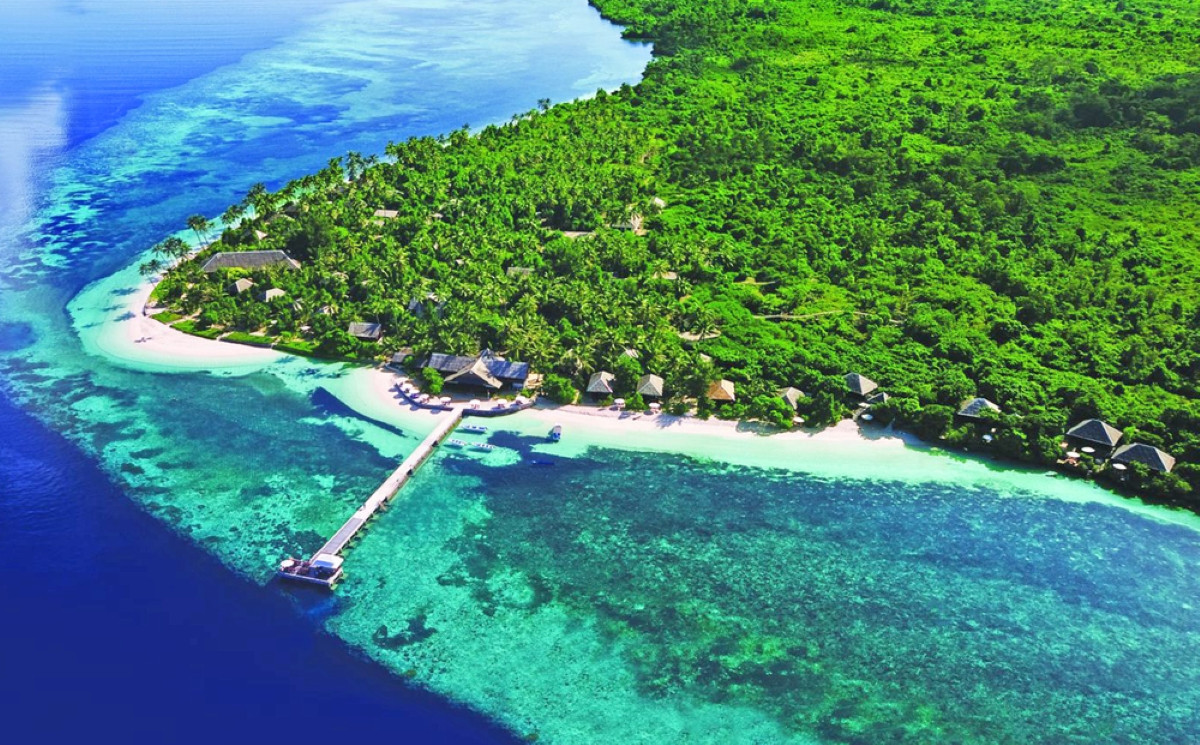
Liya Togo village has a fort covering an area of 52 hectares, a heritage from the Buton kingdom. This fort is named Benteng Liya or Fort Keraton and was built in 1546. It was used to repel enemy attacks led by a Mantuli/people’s role model from the east and became the center of power for the King of Buton. This fort is very unique because it is built with white corals that are stacked and glued together using egg whites.
Besides Liya Fort, there is also a mosque rich in history, the Liya Palace Mosque. On the left of this mosque, there is a cemetery with a small row of rocks around it.
There is also a baruga, a place commonly used by local residents for a community discussion. There are many interesting things in North Sulawesi: the biggest seaweed cultivation tourist attractions, the Lariangi dance which shows the agility of a Talo-Talo Commander when dealing with his enemies, a sacred circumcision ceremony for girls and boys.
In addition, there is also a martial art that is only performed during Eid al-Adha and Eid al-Fitr, called the Posepa’a Martial Arts; various culinary specialties from places located in the South Wangi-wangi, ranging from soami, tungkela syrup, cassava chips, fish chips and fish spring rolls.
You can also get various kinds of woven cloth souvenirs, such as sarongs, scarves, headbands and bags. In addition to the woven fabrics, there are also processed wastes that become bags and katu bangko, or food cover, which you can buy as a memento from this village.
Labuan bajo, West Manggarai Regency, East Nusa Tenggara, Indonesia
Doi Inthanon, Ban Luang, Thailand
Firenze, Fl, Italia
Niagara, NY, USA
Tanzania, Africa
Sydney, Australia