Explore
New Zealand
Your Dream Destination
New Zealand
New Zealand is an island nation in the southwestern Pacific Ocean, approximately 1,500 kilometres south-east of Australia, due to its close proximity to Australia, New Zealand is one of the best places to see the beauty of Australia’s Aurora. New Zealand is among the developed countries with economic growth rates rivaling Southern Europe in several ways. Unlike the country in the northern part of the Earth, New Zealand experiences winter from July to August. And summer lasts from December to February. Recently, the country nicknamed Kiwi Country has become one of the best countries in handling Covid 19 cases.
New Zealand became the seventh best country in the world and also the second most beautiful country under Indonesia according to Time Out magazine in London, England. The country managed to beat the beauties in the countries of Colombia, Tanzania and Mexico
Highlight Destination
September - November
Colourful wildflowers carpet on Spring Season
Spring is a wonderful time to be in New Zealand with warm sunny days, uncrowded trails and the countryside bursting into life. Colourful wildflowers carpet the countryside and baby wildlife can be seen everywhere, from gambolling lambs to playful seal pups. Hotel prices are significantly lower than summer and availability also much better, both here and in campsites all over the country. With the spring sun melting the winter snowfall and glaciers, rivers are at full flood and waterfalls are at their most spectacular so it’s a wonderful time to be seeing them in Fiordland for example.
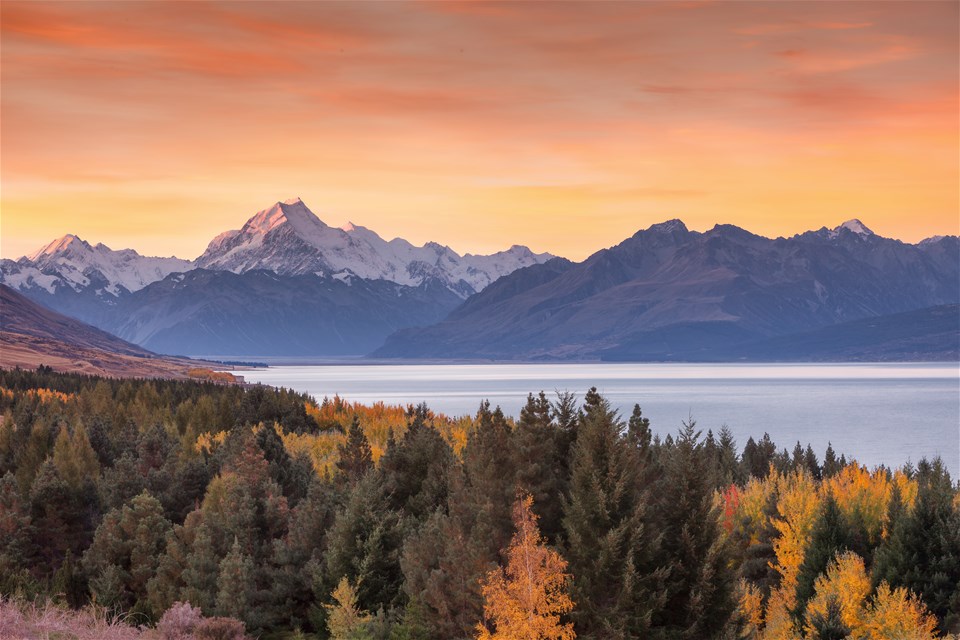
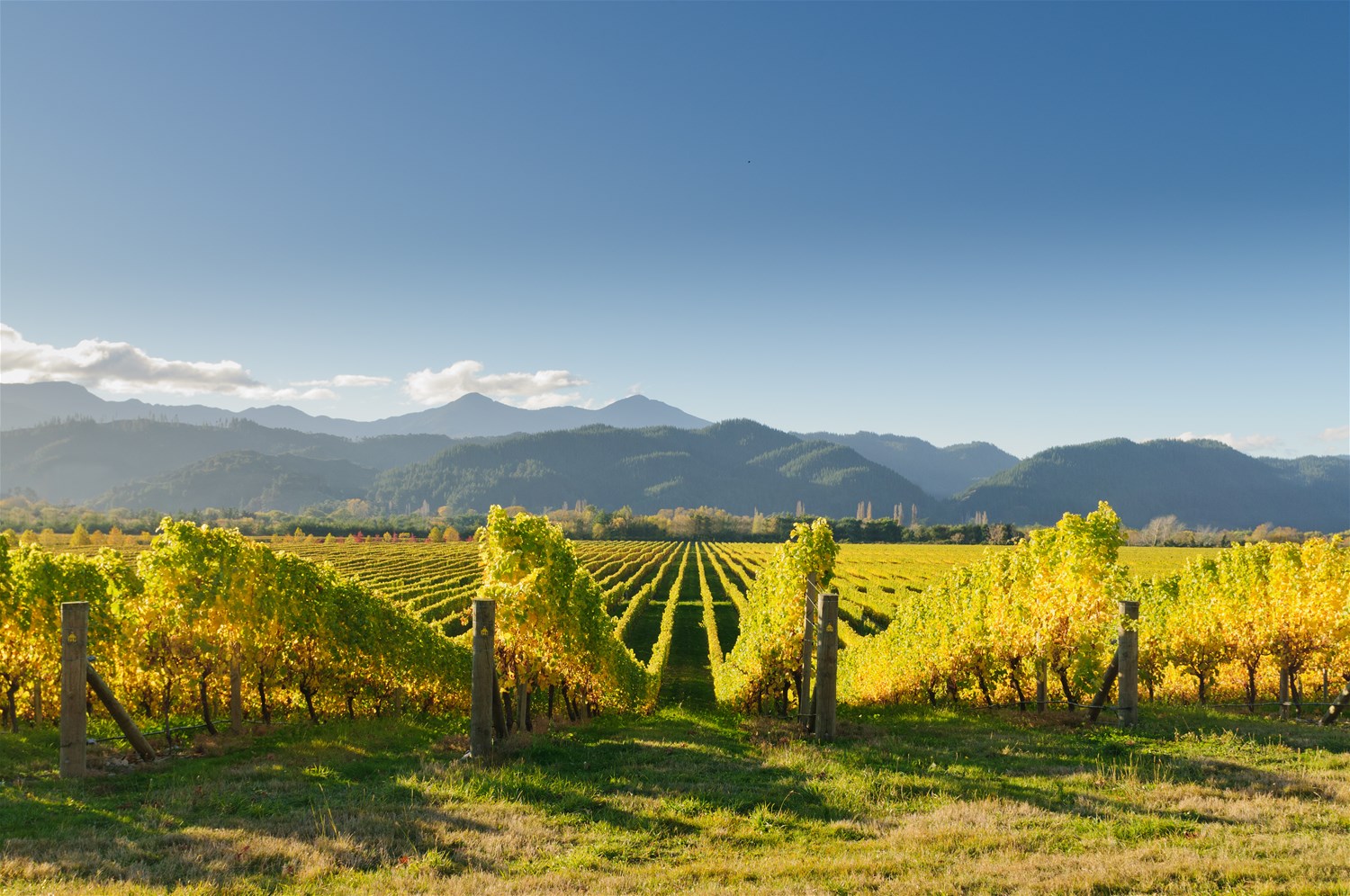
March - May
Best time to go New Zealand in Autumn
Autumn is, in many people’s opinion, the best time to go New Zealand. With many long, sunny days left to enjoy, fewer people to contend with at prime scenic spots, better hotel and campsite availability and, perhaps best of all, lower prices than the high season, it can be the perfect time to visit New Zealand.
New Zealand’s warm, still autumnal days are perfectly suited to outdoor exploration. And the scenery comes alive in the autumn light with deeply shadowed mountains and ochre fields perfect for photography. Aside from the Central Otago region on the South island, you won’t see a blaze of autumnal fall foliage in the forests, but the abundant vineyards do look beautiful.
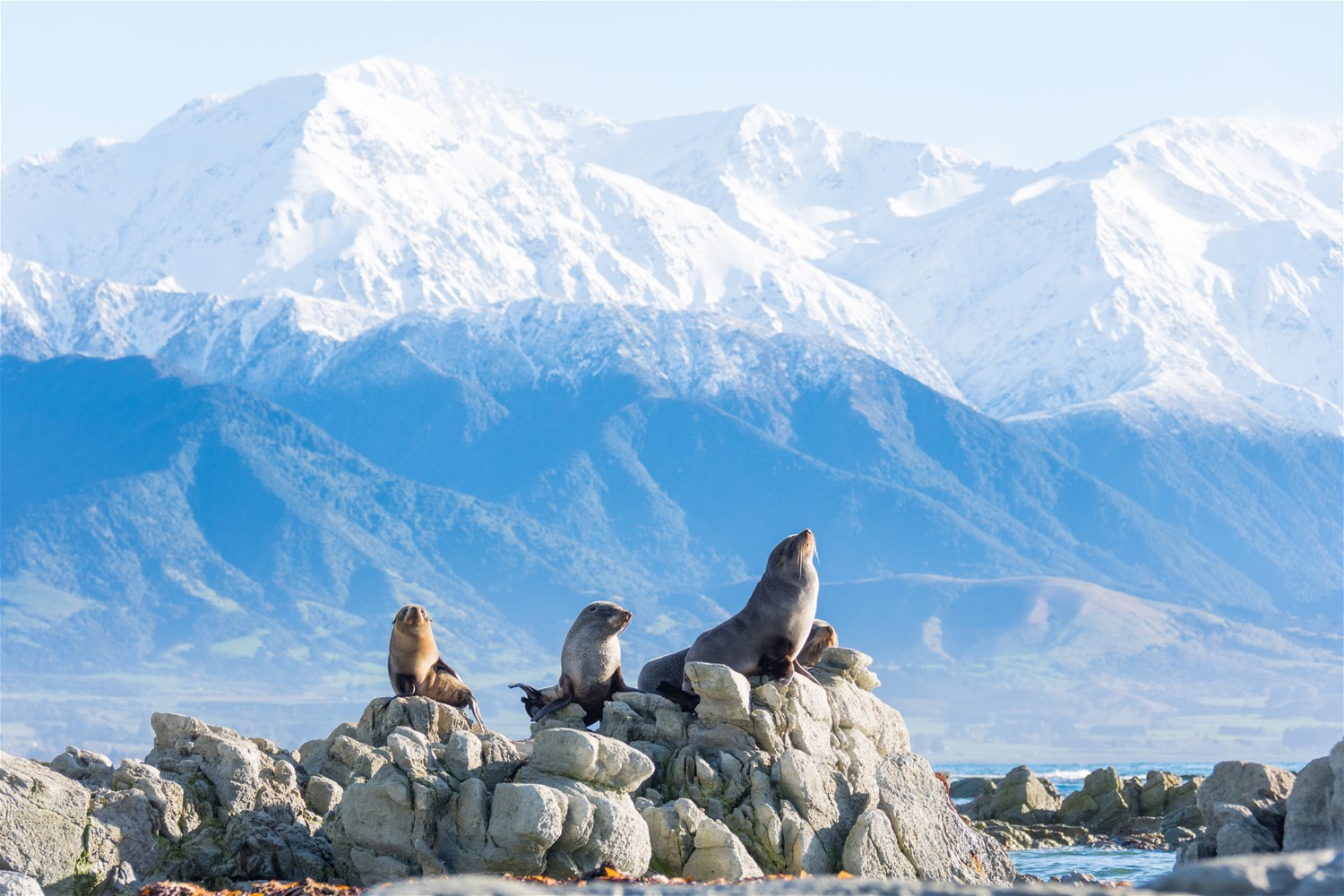
May - August
Winter SSeason in New Zealand
Temperatures drop in the winter months in New Zealand, but not to the same extent we see at home, especially in the North Island with average daytime highs of 14°C or 15°C in Auckland, compared to winter temps of 7°C and 8°C in London for example.
New Zealand’s southern mountains receive a blanket of snow, and the snowfields around Queenstown and Wanaka are awash with happy skiers and snow-boarders.
Explore New Zealand
Let Start's Your
Amazing Trips

Labuan bajo, West Manggarai Regency, East Nusa Tenggara, Indonesia

Doi Inthanon, Ban Luang, Thailand

Firenze, Fl, Italia

Niagara, NY, USA

Tanzania, Africa

Sydney, Australia
Inspiring Stories

